
If you can’t swim, the outdoors has a wall around it you might not even realize is there.
Think about it. Lakes, rivers, coastlines, waterfalls, gorges, even just a creek crossing on a hiking trail. Water is everywhere in nature. And if you don’t know how to swim, a surprising amount of the natural world becomes something you watch from a safe distance rather than actually experience.
Most people frame learning to swim as a safety issue. And yeah, it is. But that framing misses the bigger picture. Learning to swim doesn’t just keep you from drowning. It fundamentally rewires how you move through outdoor spaces, what trips you say yes to, and how deeply you connect with the landscapes around you.
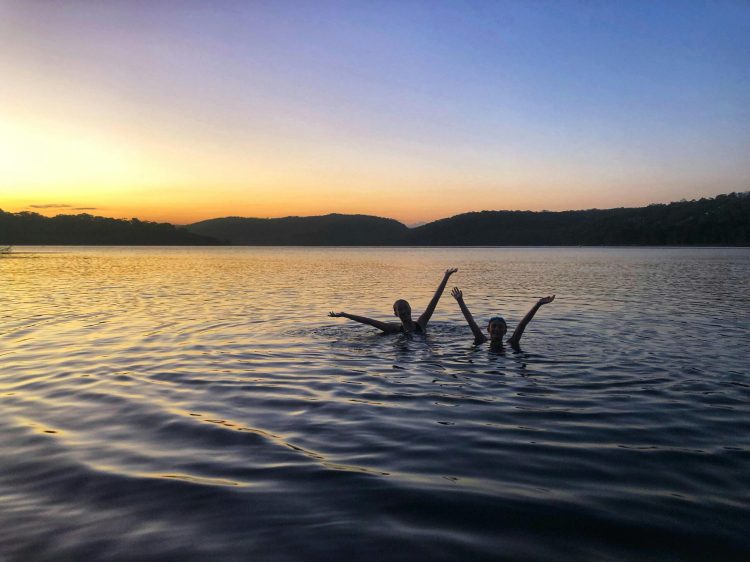
The Invisible Fence Around Non-Swimmers
Not knowing how to swim doesn’t just affect pool parties. It quietly shapes your entire outdoor life.
You skip the kayaking trip because what if you flip. You stay on the shore at the lake while your family swims to the dock. You say no to the snorkeling excursion on vacation because “it’s just not my thing.” You pick the safe campsite away from the river instead of the beautiful one right on it.
Over time, these small decisions add up. You start building an identity around avoidance without even noticing. “I’m not really an outdoors person” might actually mean “I’m not comfortable near water, and water is everywhere outside.”
The CDC estimates that about 40 million U.S. adults don’t know how to swim. That number matters because it shows this isn’t a personal failure. It’s often about access, cost, culture, fear, or simply never having the chance.
What Actually Changes When You Learn
The shift isn’t just physical. It’s psychological.
Once you can swim, even at a basic level, you stop scanning every outdoor environment for water hazards. A river becomes a place to wade, float, or cool off after a hike. A lake becomes a destination, not a boundary. The beach stops being a place where you sit on the sand and starts being the whole experience.
I’d argue this is actually one of the most underrated benefits of learning to swim. It doesn’t just add “swimming” to your activity list. It removes the mental filter that was quietly limiting which outdoor experiences felt accessible.
For kids, this compounds over time. A child who learns to swim at six years old doesn’t just gain a skill. They gain fifteen years of saying “yes” to outdoor adventures that a non-swimmer would’ve declined. By adulthood, those two people have fundamentally different relationships with nature.
Access matters here, too. It’s easier to build confidence around water when it’s part of your regular surroundings, which is one reason more families are thinking about how families build outdoor habits around nearby nature.
Confidence Cascade
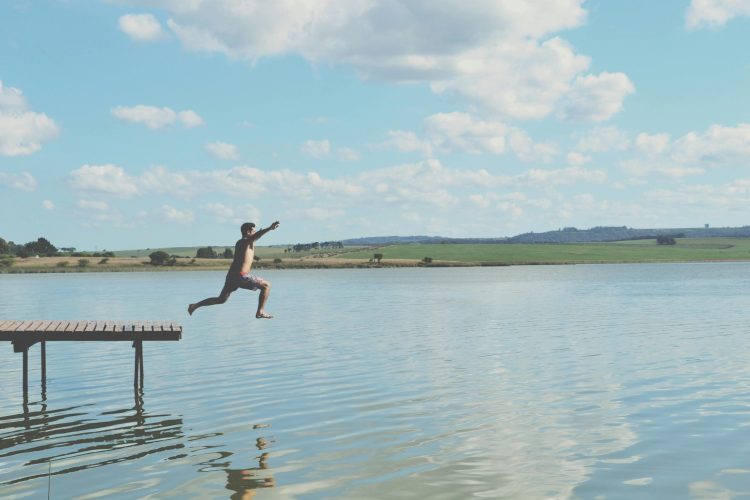
There’s a pattern I’ve seen play out again and again. Someone learns to swim as an adult, and within a year they’re hiking more, camping more, and saying yes to trips they would have avoided before.
Why? Because the confidence doesn’t stay in the water.
Overcoming a fear of water, or even just the discomfort of not having a basic skill that everyone else seems to have, builds a kind of resilience that leaks into everything. You start thinking, “If I could learn that at 35, what else have I been avoiding?” It opens a door.
For kids, the effect is even more pronounced. A child who masters floating, then treading water, then swimming across the pool is learning something way bigger than technique. They’re learning that scary things become manageable with practice. That’s a lesson that applies to every trail, every summit, every campout in the rain.
What Gets Missed When Learning to Swim
When learning to swim there’s a lot of focus on stroke technique, pool safety, and fitness benefits. That stuff matters, but it creates a narrow picture. It makes swimming sound like an indoor activity you do for exercise, like a treadmill that happens to be wet.
The real payoff is what happens outside the pool.
Not everyone is learning to swim so they can do laps for the rest of their life. They’re learning so they can jump off rocks into a quarry with their friends. So they can paddle a canoe without a death grip on the gunwale. So they can actually get in the ocean on a family trip to Florida instead of sitting under an umbrella pretending they prefer it dry.
Pool swimming and outdoor swimming are almost different skills. Pools are controlled, warm, and clear. Natural water is cold, murky, has currents, and an uneven bottom. If you only ever learn in a pool and never transition to open water, you’ve got half the skill you need for the outdoors. A good swim program should include some exposure to natural water, but almost none of them do.
How to Start If You've Never Learned
You don’t need to become a competitive swimmer. You need three things: comfort in water over your head, the ability to float on your back, and enough stamina to swim 25 yards. That’s the baseline that unlocks the outdoors.
Start with getting comfortable putting your face in the water and exhaling. That single skill is the bottleneck for most beginners, and it takes longer than you’d expect. From there, learn to float. Floating is the safety net that makes everything else possible. If you can float, you can rest. If you can rest, you can’t panic. If you can’t panic, you can handle almost any water situation.
Swimming lessons can be an excellent way to learn, but once you’ve got those basics, get out of the pool. Find a calm lake or a slow-moving river and practice in a natural setting with a buddy. Feel the difference between pool water and real water. Get comfortable with not seeing the bottom. That transition is where “I know how to swim” becomes “I’m comfortable in the outdoors.”
Learn more about Wild Diversity.
Check out our programs and events!