
If you think you’re too out of shape to start hiking, you have it backwards. You don’t get in shape then hike. You get in shape by hiking.
Anyone of all ages and fitness levels can go out and hike. And you should! Because while the physical benefits can obvious, there’s actually a lot of mental health benefits to hiking.
After speaking with a lot of people in our community who felt out of shape and unsure where to begin, some clear patterns started to show up. Here’s our advice on how to start hiking as a beginner regardless of your fitness level.
Drop Your Preconceived Ideas of What a "Hiker" Looks Like
A lot of folks who define themselves as “out of shape” may create extra resistance to hiking because they feel like they don’t belong.
If this applies to you, an important first step is to understand that hiking is for everyone. On the trail you will see people of all shapes, sizes, and ages. If you’re afraid other people will judge you, don’t be.
I heard this recently and it really resonated with me, “when you’re 20, you’re worried about what other people think of you. When you’re 40, you stop caring about what other people think of you. When you’re 60, you realize no one was ever thinking about you to begin with.”
Here’s a message our community member, Mackenzie, wanted to share:
“My first hike wasn’t impressive. It was short, slow, and I had to stop more times than I care to admit. My legs burned, I was out of breath, and I questioned why I even started. But I finished it. And that mattered more than anything.
I kept going back because it felt good to show up for myself. Little by little, things changed. I could walk further with less rest. Even on the hard days, I felt proud that I showed up at all.
If you’re overweight and thinking about starting, you don’t need to wait. You don’t need the perfect gear or the perfect body. You just need to start where you are. Pick a trail that feels manageable and go at your own pace. Take breaks without guilt. There’s no rule that says you have to look a certain way to be out there.”
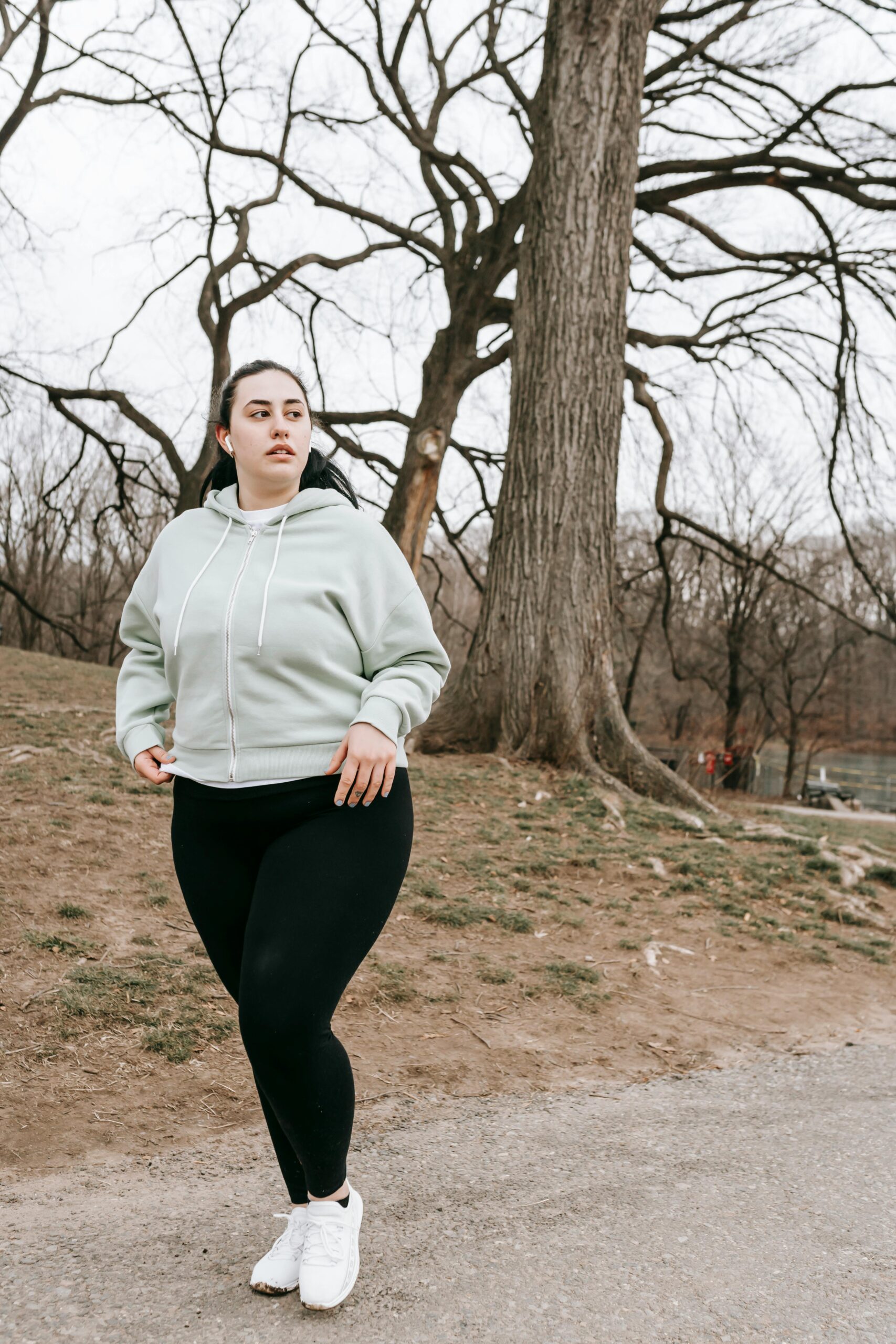
Start Slow and Build Momentum Overtime
If you want hiking to become a regular part of your life, the first few weeks are the most critical. Starting “slow” is different for everyone though, so there’s no single definition. But here are some good clues to go by:
- You should be able to talk in short sentences while moving
- You should take breaks before you’re wrecked, not after
- You should finish with energy left and be thinking “okay, I could do that again!”
Don’t expect your progress to be linear. You might have good days followed by bad days. Don’t let the bad days stop you. In fact, it may be best starting out to not have any expectations of progress.
The real goal in the beginning should be just to show up consistently and get SOME hiking in. Don’t worry about how far you hike, how many breaks you take, or what your pace is. Once you do something consistently enough, you build momentum. It becomes part of your identity and doesn’t require nearly as much discipline. Once you’ve built some momentum with consistency, that’s when you can start setting goals to progressively challenge yourself.
How Your Brain Tricks You into Never Starting
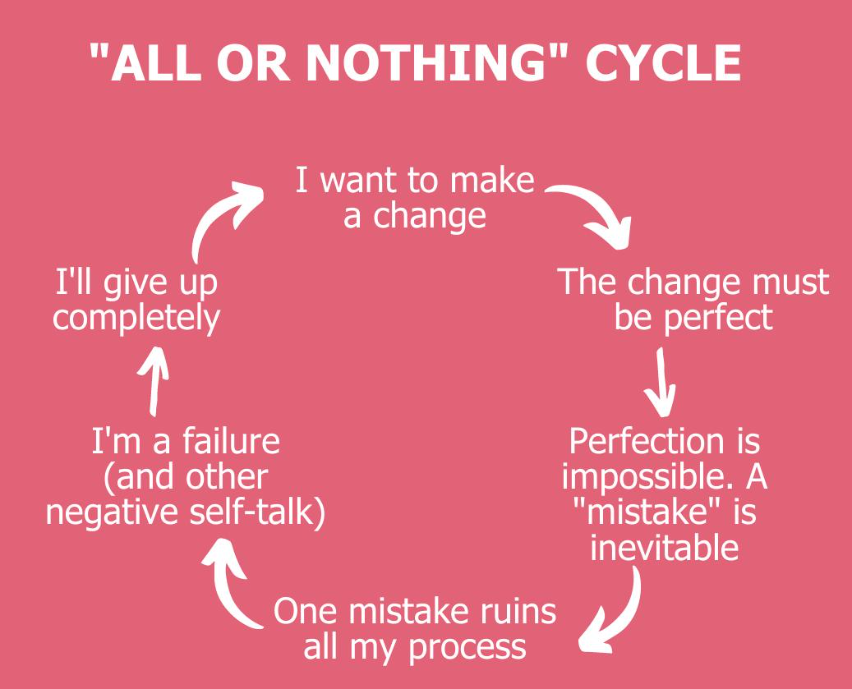
Many people want to start slow, but their brain tricks them into all-or-nothing thinking. (This actually applies to a lot of things in life). They think an easy hike is almost worthless, but a hard hike is unattainable, so they get mentally paralyzed and never start.
Don’t fall for this trap! The physical health benefits of just short easy walks are undeniable and worth it alone. But when you add walking in nature, the mental health benefit is massive.
Any hike of any length WILL benefit you.
How to Select a Trail: Why Trail Ratings Mislead Beginners
Trails selection is where some beginners can go wrong at no fault of their own. You can’t rely solely on a trail being rated “easy” because trail difficulty ratings are wildly inconsistent. A trail marked “easy” on AllTrails might mean a flat, paved greenway in one region and a rocky, root-covered path with 400 feet of elevation gain in another. The rating system has no universal standard. The written reviews might not necessarily be dependable either because often they’re written by people who hike regularly. When someone rates a trail “easy” and says it took them 45 minutes, that same trail might take you 90 minutes and feel quite hard.
Here’s what to actually look for in your first trail:
- Elevation gain under 150 feet per mile. This is the most important number. Not distance. Elevation gain is what will destroy you if you’re not ready for it. If you’re out of shape, starting at 150 feet of elevation gain per mile will be manageable.
- Keep it around 2 miles or less. Remember the goal is to show up and get some hiking in. You can always hike a trail multiple times in one trip if you’re up to it. There’s no shame in a 1 mile trail either. You’ll have to use some honest self reflection to know what distance is right for you.
- A loop trail, not an out-and-back. Out-and-back trails are fine, but when you’re exhausted at the halfway point, knowing you have to retrace every step can sometimes be mentally crushing. A loop at least gives you new scenery as motivation.
- Cell service. Your first few hikes aren’t about getting away from civilization. They’re about building confidence.
State parks and local metro parks are almost always better starting points than national forests or wilderness areas. They’re maintained more frequently, better marked, and usually have bathrooms at the trailhead.
Involve Other People
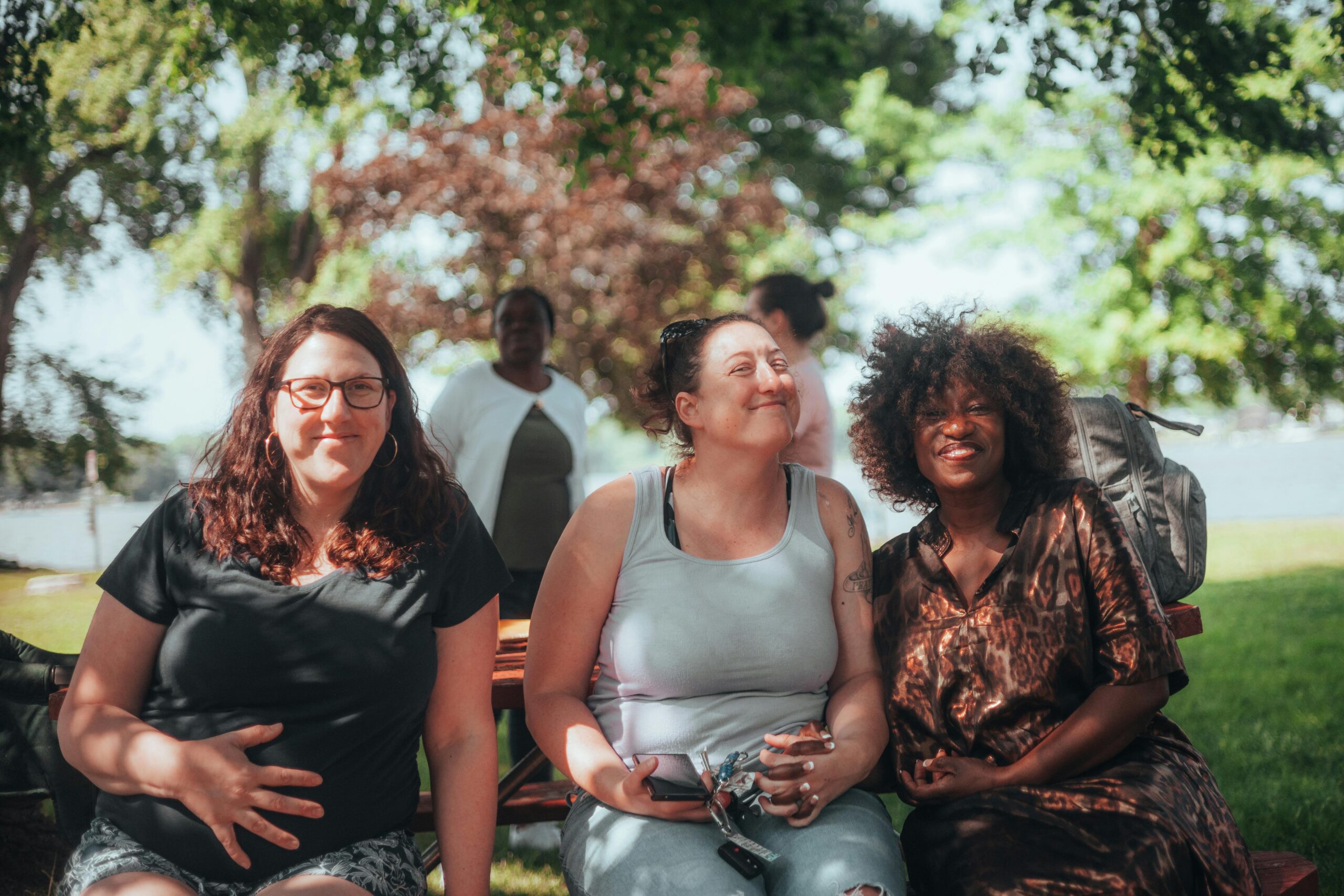
A great way to stay motivated and get comfortable hiking is to invite your friends or other people to join you. That can be as simple as texting a few friends or posting an open invite for a short, local trail.
But for the sake of ensuring your own consistency, you don’t want your hikes to be contingent on other people’s availability, and you want to make sure the hike is within your fitness level. So the key is to not make plans with people, but make a plan for yourself and invite others to join.
There’s also an accountability shift when you’re the one organizing it. If other people are planning to show up, it’s a lot harder to talk yourself out of going. You’re not just bailing on yourself anymore.
Another great “hack” is to join a hiking community. Being part of a community can really help with your consistency or enjoyment of hiking (or any activity in life). It can be an in person community like Wild Diversity or can be a virtual one. One of my favorites is the “Hikers 365” challenge group. The goal is to hike at least 365 miles in 365 days.
I decided to join this with 2 of my friends. which turned into a mix of support. Beyond that, being part of a larger online group doing the same challenge added another layer of accountability. Seeing other people log miles and stay consistent made me want to stay consistent too.
You Don't Need Any Hiking Gear Yet
A lot of people, myself included, will binge watch content about a new hobby they’re interested in. And hiking content loves gear recommendations with affiliate links everywhere.
If you’re the type of person who is more likely to commit to hiking because you’re excited about the new boots or pants you bought for hiking, then go right ahead! Increasing your excitement for something will help you stay consistent.
But you absolutely don’t need to buy anything to start hiking. We want to lower the resistance to starting and for many people, thinking they have to spend money on gear to start hiking can keep them from starting. To start hiking, you need three things:
Shoes with decent tread that you’ve already broken in. Running shoes work fine for well-maintained trails. You DO NOT need hiking boots for a 1.5-mile loop at your local state park. Boots are heavier, they cause blisters if they’re new, and they’re an unnecessary expense at this stage.
Water. More than you think. A good baseline is 16 ounces per mile, and more if it’s hot or humid. A regular water bottle from your kitchen works perfectly.
Your phone. For navigation, emergencies, and yes, checking how far you’ve gone. AllTrails’ free version is genuinely useful for following trail maps.
Everything else can come later when you know you actually enjoy this.

No matter how you do it, we hope you make it out on the trail and experience the many benefits of hiking and spending time in nature!
Interested in joining our community? Sign up for one of our events!