Outdoor communities are more than hiking groups, running clubs, climbing crews, or people who happen to like being outside. At their best, they’re support systems. They help people build healthier habits, form deeper friendships, learn new skills, and spend more time in nature than they probably would on their own.
That matters because getting outside isn’t just about scenery. It affects your mood, your confidence, your relationships, and the way you see yourself.
The real power of an outdoor community is that it turns intention into action. It gives you a time, a place, a reason, and people who expect you to show up.
Why People Don't Go Outside More
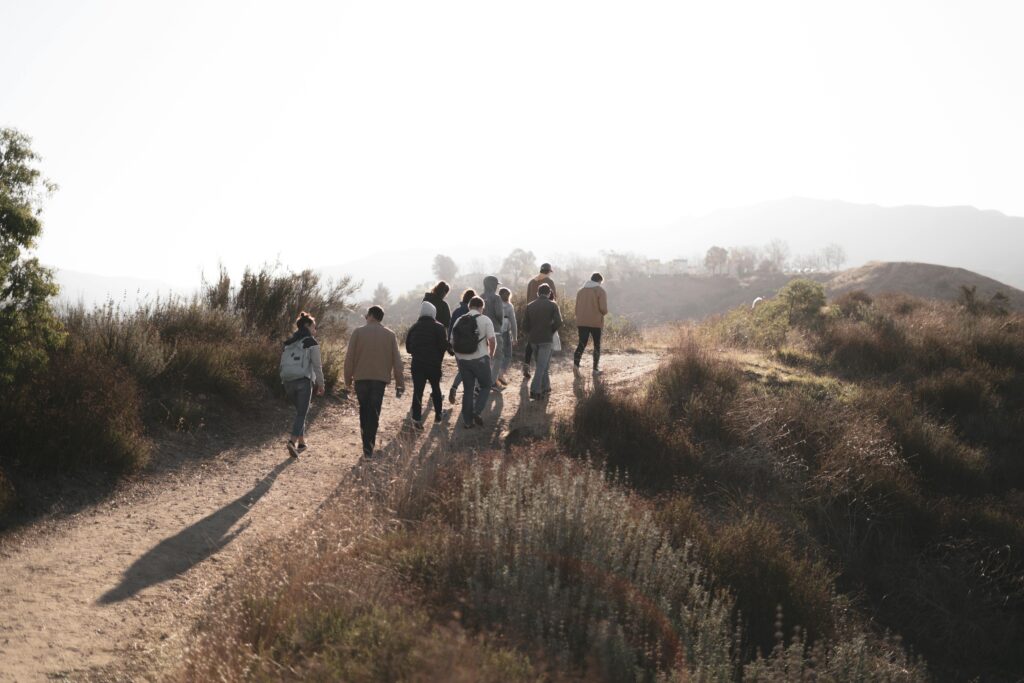
Nobody needs to be convinced that nature is good for them. The harder problem is follow-through. Going outside takes decisions. Where should I go? Is it safe? What do I wear? What if I’m too slow? What if everyone else is more experienced? What if I look ridiculous?
Outdoor communities reduce that friction. Someone chooses the route. Someone says, “Meet here at 8:30.” Someone tells you the trail is muddy. Someone waits at the junction. That sounds small, but it changes everything.
The CDC notes that parks and trails provide places for physical activity, stress reduction, and neighbor connection, but access alone isn’t always enough. Less than half of people in the United States live within half a mile of a park, and even fewer have both safe streets and access to places for physical activity. So the issue isn’t just loving nature. It’s access, safety, routine, and social support. Outdoor communities help bridge that gap.
That’s also why more families are thinking carefully about where they live. For some, living near parks isn’t just a preference, it’s a way to make outdoor time easier and more consistent.
If you’ve never joined a group outing before, here’s what to expect on a Wild Diversity trip.
Outdoor Communities Turn Interest Into Identity
There’s a big difference between saying, “I should get outside more,” and saying, “I’m the kind of person who goes on Tuesday evening walks.”
That shift is identity.
When you join an outdoor community, you start borrowing the group’s habits before they fully feel like your own. After some time you start identifying as “someone who hikes” or “someone who paddles.” This matters because identity-based habits are sticky in a way that goal-based habits aren’t.
The Activity IS the Relationship
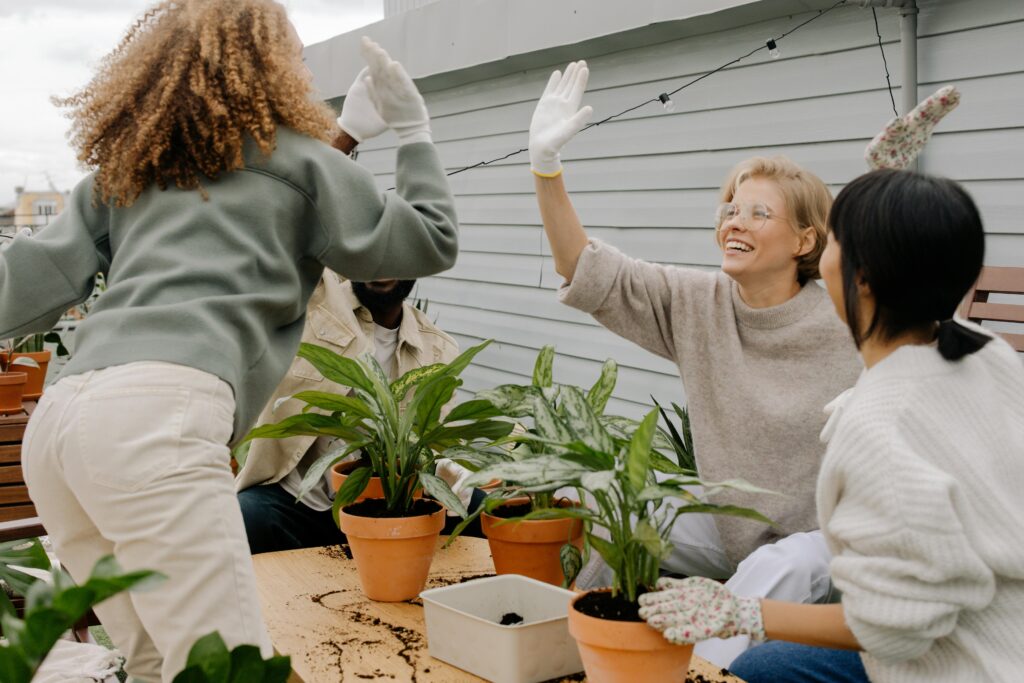
Here’s what makes outdoor communities different from, say, a book club or a networking event. In most social settings, the activity is a pretext for conversation. You’re there to talk, and the activity gives you something to talk about.
On a trail, in a kayak, at a climbing wall, the dynamic flips. The shared physical experience IS the bonding mechanism. You don’t need to be witty or outgoing. That’s why outdoor communities tend to form deeper bonds faster than other types of groups.
For introverts, for people with social anxiety, for anyone who dreads small talk at parties, this is a revelation. The outdoors gives you a shared task that removes the pressure of performing socially.
The Mental Health Benefit Isn’t Just Fresh Air
Nature helps mental health, but outdoor communities add another layer which is belonging.
Belonging is not just being included in a group chat. It’s someone noticing when you don’t show up. It’s hearing, “We saved you a spot,” or “You would’ve loved the view last week.” Those little signals tell your nervous system something powerful: “I have a place here.”
Studies have linked nature-based outdoor activities with improvements in mental health outcomes, including gardening, green exercise, and nature-based therapy. More recent research on outdoor recreation found that reduced outdoor activity was associated with higher perceived stress and depressive symptoms, while more frequent outdoor activity predicted better outcomes.
But here’s the interpretation that often gets missed: the benefit isn’t always about doing something intense or impressive. It may be about giving the brain a break from isolation and overthinking.
Outdoor communities create a type of social contact that can feel easier than sitting across from someone at a coffee shop trying to make conversation. On a trail, you can talk or not talk. In a garden, your hands are busy.
For people dealing with stress, loneliness, mild depression, or major life changes, that low-pressure format can be huge.
Finding the Right Outdoor Community for You
When searching for an outdoor community many people start with the activity. “I like hiking, I’ll join a hiking group!” That’s fine, but it misses a more important variable: your social wiring.
If you’re an introvert who recharges alone, look for communities built around parallel activities. Trail running, mountain biking, kayaking. Things where you’re physically near others but not required to sustain conversation the whole time.
If you thrive on deep connection, look for smaller groups (under 15 regular members) that do overnight trips. Nothing bonds people like sharing a campsite. You’ll skip two years of surface-level friendship building in one weekend.
If you’re competitive, that’s fine. Don’t pretend you’re not. Find a group that channels that productively, like a trail race training group or a climbing community where sending harder routes is celebrated.
If you just need a gentle on-ramp, look for community nature walks, volunteer trail maintenance days, or “adventure beginner” programs that explicitly welcome people who are starting from zero. Not sure you’re fit enough to start? Here’s how to start hiking when you’re out of shape.
The right outdoor community is the one where you feel more like yourself after spending time with them.
Ready to find yours? Take a look at our upcoming group adventures.