
Something’s changed in how families talk about their ideal neighborhood. For many years, the checklist was good schools, a quiet suburb, and a backyard big enough for a playset. But now for a growing number of people, proximity to trails, green space, and open land is becoming less of a bonus and more of a priority.
This isn’t just a pandemic hangover. The trend toward living near parks was already building before 2020. What COVID did was accelerate an existing trend. Families who’d been vaguely thinking “it would be nice to have a trail nearby” suddenly realized that trail was the only thing keeping them sane. That realization stuck.
Having Nature Nearby Reduces Friction
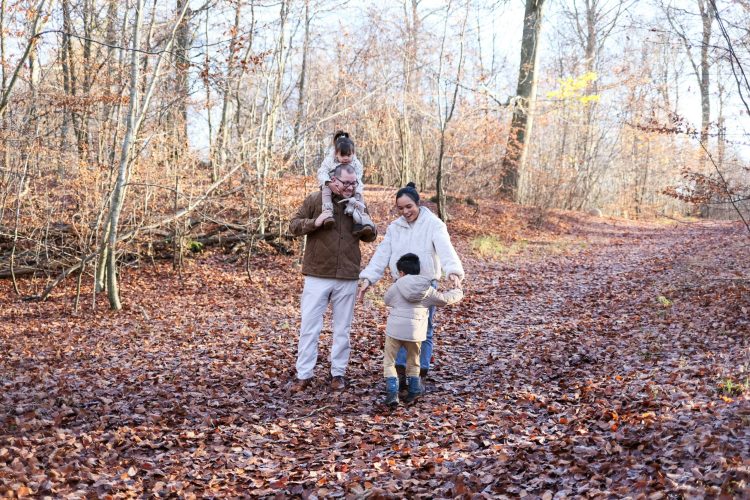
A park nearby doesn’t magically make people healthier. What it does is remove friction. You don’t have to “go exercise” when the trail is part of the neighborhood. You just walk the dog longer. You bike to the playground. You take the restless toddler outside before dinner instead of turning on another show.
Trust for Public Land has noted that close-to-home parks are associated with more physical activity and better health outcomes, especially when parks are clean, accessible, and designed for actual use. The interesting part isn’t the statistic alone. It’s the behavior behind it: people tend to do what’s easy, nearby, and pleasant.
What Northeast Ohio Gets Right About Park-Based Living
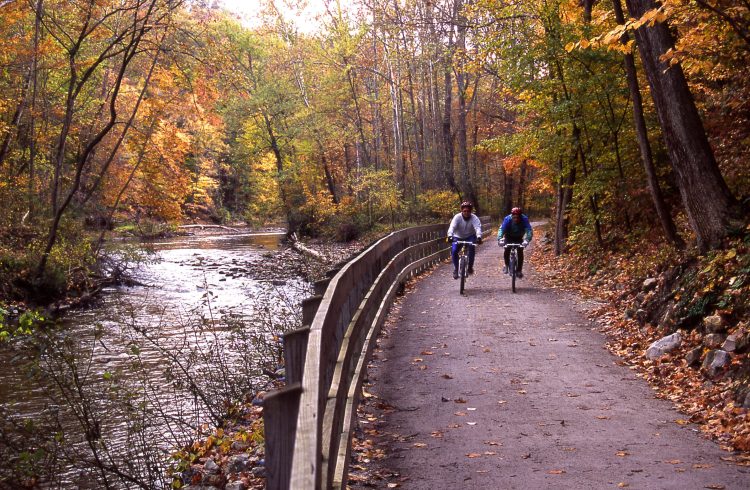
Northeast Ohio is a good example of why families are rethinking the traditional suburb. Around Akron, Cuyahoga Falls, Peninsula, Brecksville, Hudson, and nearby communities, nature isn’t tucked away on the edge of town. It’s woven into daily life through Cuyahoga Valley National Park, Summit Metro Parks, Cleveland Metroparks, and the Ohio & Erie Canal Towpath Trail.
That changes how people think about home. A family might choose a slightly smaller house if it means they can bike the Towpath after dinner, hike near Brandywine Falls on a weekend morning, or get their kids outside without planning a full-day trip. For homeowners trying to move closer to this kind of lifestyle, local cash house buyers such as Snap Sell Home Buyers can be useful if you need speed or flexibility when selling, or if you don’t want to deal with repairs or the traditional home selling process.
Cuyahoga Valley National Park is especially interesting because it doesn’t feel separate from everyday life. It runs between real communities, roads, neighborhoods, farms, and historic sites. You can live near grocery stores, schools, and work routes while still having access to wooded trails, river views, wetlands, waterfalls, and long bike rides. That’s different from the old idea of “moving to nature,” where families had to sacrifice convenience to get open space.
This is what Northeast Ohio gets right: it offers park-based living without requiring families to disappear into the middle of nowhere. The best neighborhoods here aren’t just close to green space on a map. They’re close to nature people actually use.
If you’re in the Northeast Ohio area and have young kids, Wild Diversity offers youth programs designed to get kids comfortable outdoors and teach them useful skills.
Why Families Really Make This Move
Strip away the property value data and the walkability scores, and there’s something more fundamental happening. Families who choose to live near parks and trails are making a statement about how they want to spend their time together.
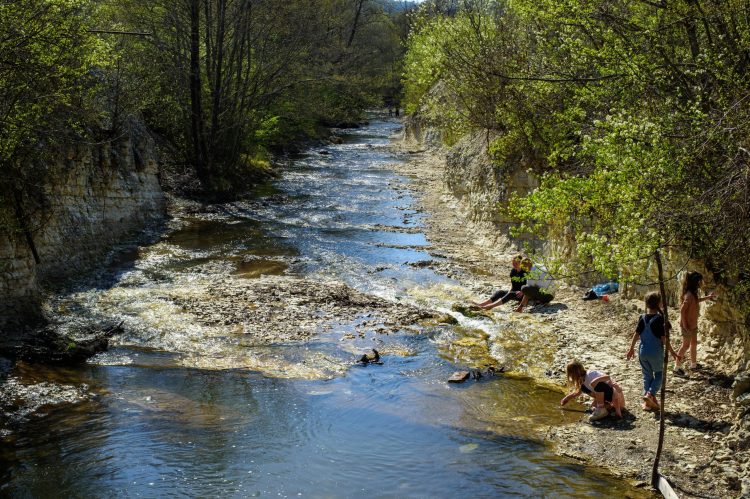
There’s a growing body of parents who’ve realized that the activity treadmill of organized sports, tutoring centers, and screen-based entertainment isn’t actually making their kids happier or healthier. Living near open space gives families a default activity that requires no registration, no fee, and no equipment beyond a pair of shoes. Tuesday evening? Walk the trail. Sunday morning? Explore the creek bed. It becomes the family’s rhythm rather than a scheduled event.
This is something organizations like Wild Diversity have understood for years: that getting people outdoors isn’t about extreme adventure or expensive gear. It’s about lowering the barrier until nature becomes part of your regular week. And where you live is the single biggest factor in how low that barrier gets.
What to Know Before Making the Move
If you’re considering a move toward park-adjacent living, you should know that there will be some tradeoffs.
Foot traffic is the obvious one. If your backyard borders a popular trailhead, you’re going to have strangers walking past on Saturday mornings. For some families, that’s a deal breaker. Parking overflow during peak seasons is another. For example, communities near Cuyahoga Valley National Park deal with this every autumn when the leaf-peepers show up.
There’s also the wildlife to consider. Living near nature means you’re sharing that space. Coyotes, deer eating your garden, black bears or even more dangerous animals depending on what part of the country you’re in. If you’re not comfortable with these animals coming into your yard, a park-adjacent home might test your nerves.
Also, wooded areas can bring ticks, mosquitoes, and fallen branches in your yard.
A good idea before purchasing a park adjacent home is to walk the trail system closest to the home at different times, including a weekday evening and a weekend morning. You’ll learn A LOT about the neighborhood in two walks.
Talk to the neighbors about wildlife, flooding, and seasonal traffic. They’ll tell you things the seller’s disclosure won’t.
Look at the park management organization’s budget and recent investments. A park system that’s actively building new trails and improving access points signals long-term value. One that’s been stagnant for a decade signals problems.
An additional bonus is that homes near nature tend to appreciate in value more quickly.
The Real Move Is Toward a Different Kind of Freedom
Traditional suburbs promised freedom through privacy: your own house, your own lawn, your own driveway. Families still value that. But many are realizing that another kind of freedom matters too: the freedom to wander, walk, bike, explore, and let nature become ordinary.
That’s why homes near parks, trails, and open space feel different. They don’t just offer scenery. They change how a family spends its small, repeated moments. And honestly, those moments are the ones that shape a life.